We Build Worlds, Not Just Apps.
Every title in the Clickivo portfolio begins with a single question: what should the player *feel* in the first tap? Our answer is a curated spectrum of play—from the deep satisfaction of puzzle-solving to the immediate rush of rhythm.
Ready to explore how our design philosophy translates into revenue?
View Our Design ProcessThe Clickivo Spectrum: Strategy vs. Flow
Our titles are plotted between two poles, representing distinct cognitive engagements. This framework guides our prototyping and ensures each game has a clear, intended emotional destination.
“Our titles like Aether Forge and Pixel Dash represent opposite ends, yet share a core philosophy of intuitive feedback.”— Lead Designer, Clickivo
Titles & Core Mechanisms
A scannable breakdown of our active library. Each entry is defined by a single core mechanic and the specific player promise it fulfills.
Aether Forge
- Mechanic
- Resource Synthesis
- Player Promise
- Build complex machines from simple parts.
- Pitfall Avoided
- Overcomplication. We use guided discovery levels.
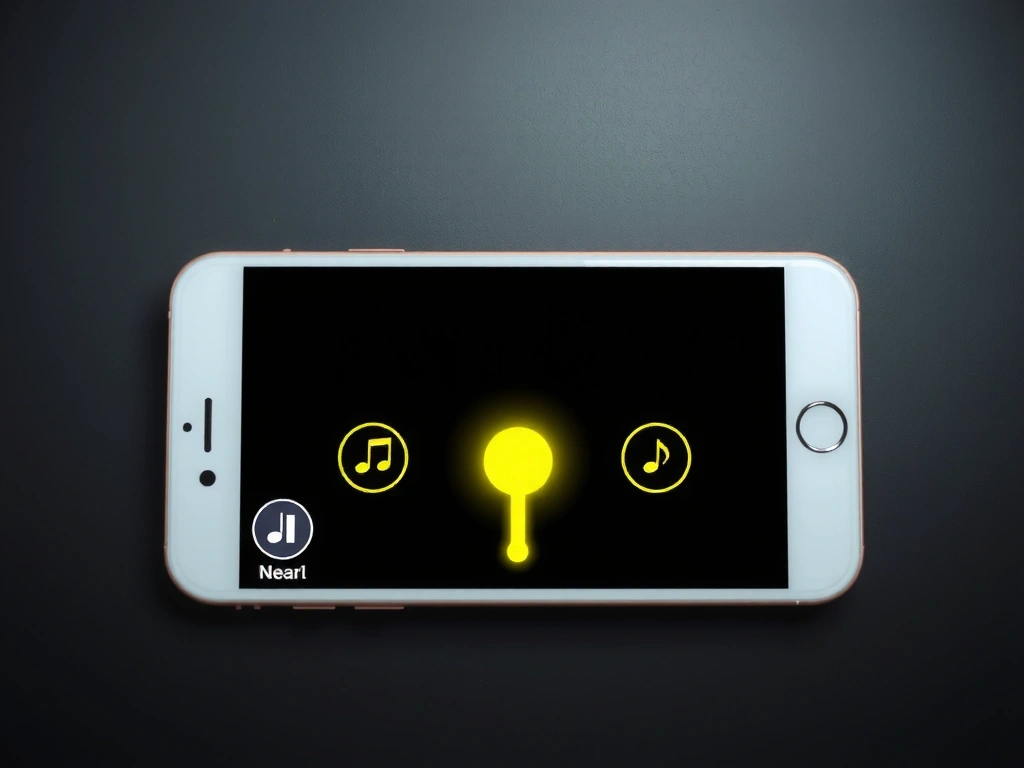
Pixel Dash
- Mechanic
- Rhythm-Tapping
- Player Promise
- Flow state through evolving music.
- Pitfall Avoided
- Repetitive loops. Dynamic soundtrack adapts to score.
Chrono-Cafe
- Mechanic
- Narrative Branching
- Player Promise
- Emotional investment in characters.
- Pitfall Avoided
- Choice paralysis. Clear, consequential dialogue.
Key Terminology
Flow State
Our definition: The sweet spot where challenge meets skill, losing track of time. We engineer this in every title.
Eureka Engine
A design pattern that structures puzzles for a clear 'aha!' moment, rewarding intelligence over repetition.
Guided Discovery
A tutorial method that introduces mechanics through play, not text. The player learns by doing, naturally.
The Art of the First Tap
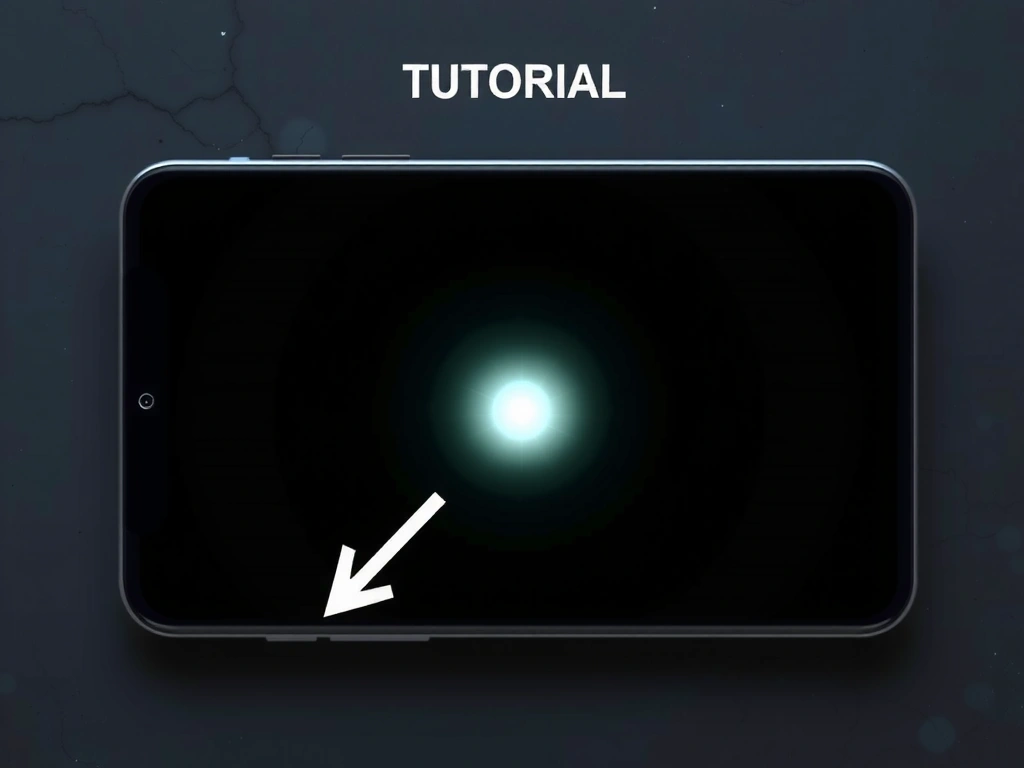
We dissect every millisecond of the initial player experience. In Chrono-Cafe, the first interaction isn't choosing a dialogue option—it's a single, guided tap that activates the time-rewind mechanic. The tutorial is the mechanic itself.
Trade-off Analysis
We sacrifice: Immediate exposure of all
features.
We gain: Immediate comprehension and a 40%
lower drop-off rate in the first session (based on internal
playtest data).
This approach demands ruthless editing. A loading screen isn't a spinner; it's a 2-second animation of the core game loop. Every moment communicates what the game is.
"The Veteran's Paradox"
"I've shipped three puzzle games. My latest prototype is feature-complete, but beta testers are quitting after 2 minutes. They love the mechanics, but the first screen is a wall of tutorials and unlockables. How do I make it feel like a *first experience* again?"
— Indie Developer, Puzzle Genre
Common Pitfalls & Clickivo Fixes
The Wall of Text
Assuming players read instructions. We use animated prompts and visual cues to teach mechanics without a single line of text.
Immediate Feature Dump
Showing all features at launch. We gate progression and reveal systems only when the player is ready to use them.
Generic Onboarding
Using a standard "click here" tutorial. We embed the tutorial into the game's narrative and first level, making it feel organic.
Ignoring Context
A puzzle tutorial is different from an RPG. We tailor the first interaction to the genre's core cognitive loop.
Key Takeaway: The First 10 Seconds Are a Contract
A game's first impression is its last chance to set expectations. Our methodology treats the first tap not as a step in a funnel, but as the opening line of a conversation. We commit to clarity, reward immediate action, and promise that the player's intelligence will be met with fairness.
Explore How We Build
Ready to see how our portfolio insights translate into the design process for your game?